Natural Materials at Le Glazik: Organic Cotton, Wool and Linen
Since 1928, Le Glazik has made maritime clothing rooted in traditional workwear, designed to last and withstand the most demanding conditions.
The longevity of these garments begins with exceptional raw materials and high-quality craftsmanship. Not all fabrics are equal: even 100% organic cotton can vary considerably depending on fibre quality, spinning, weaving and finishing.
A pioneer in the use of organic cotton since the early 1990s, Le Glazik has its canvas fabrics manufactured to its own exacting quality standards.
These standards live on in our garment-making workshop in France, through a family tradition of craftsmanship approaching its centenary.
Organic Cotton: Cultivation, the Environment and Responsible Sourcing
Cotton is a plant-based fibre grown mainly in tropical and subtropical regions, particularly in Asia, Africa and the Americas, where the climate allows it to thrive.
Unlike conventional cotton farming, organic cultivation excludes synthetic pesticides and fertilisers as well as genetically modified seeds. It encourages crop rotation and the preservation of soil fertility, helping to reduce certain environmental impacts. However, water consumption depends on the region, climate and irrigation methods: organic cotton does not necessarily require less water.
For Le Glazik, choosing raw materials is about more than quality or cultivation methods. We also pay close attention to their origins, favouring sourcing from democratic countries and suppliers that respect fundamental rights.
This approach reflects our determination to avoid contributing, through our purchases, to the financing of authoritarian regimes, while maintaining our commitment to quality.
Natural Materials Made to Our Standards
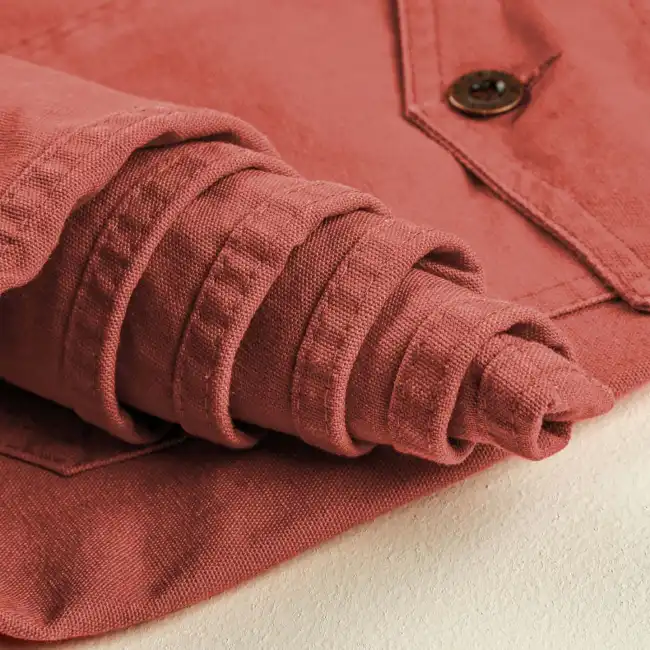
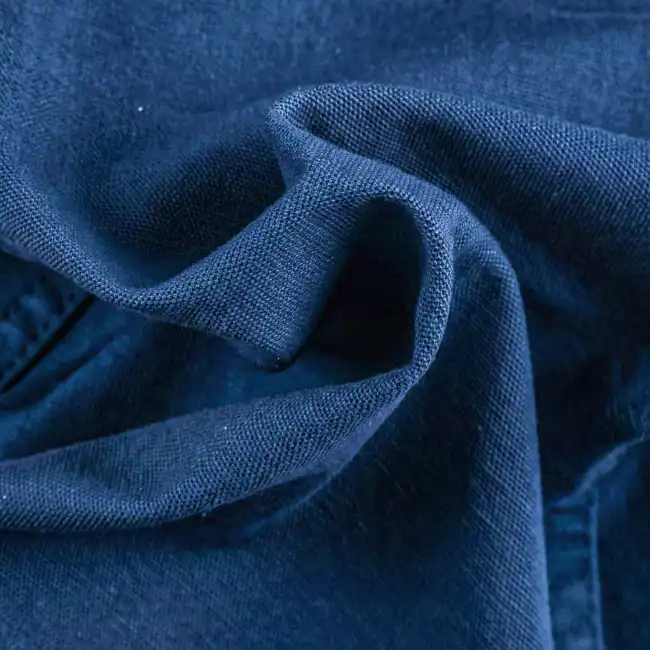
Le Glazik Cotton Canvas
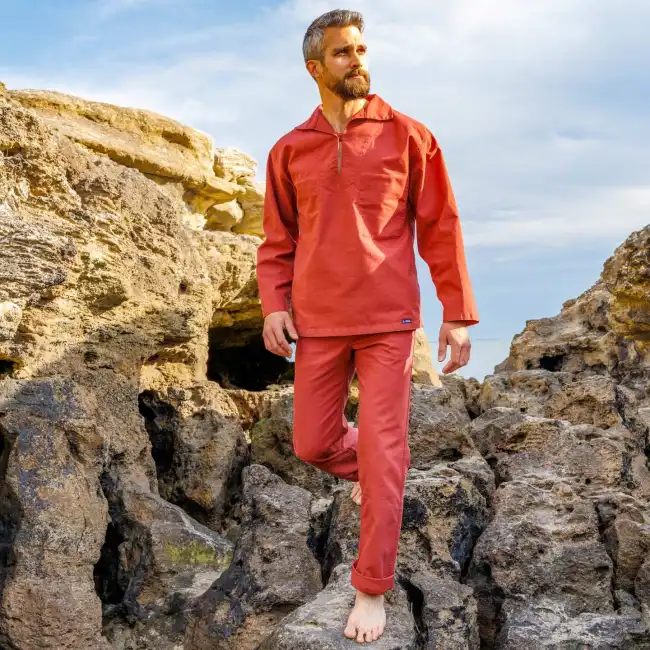
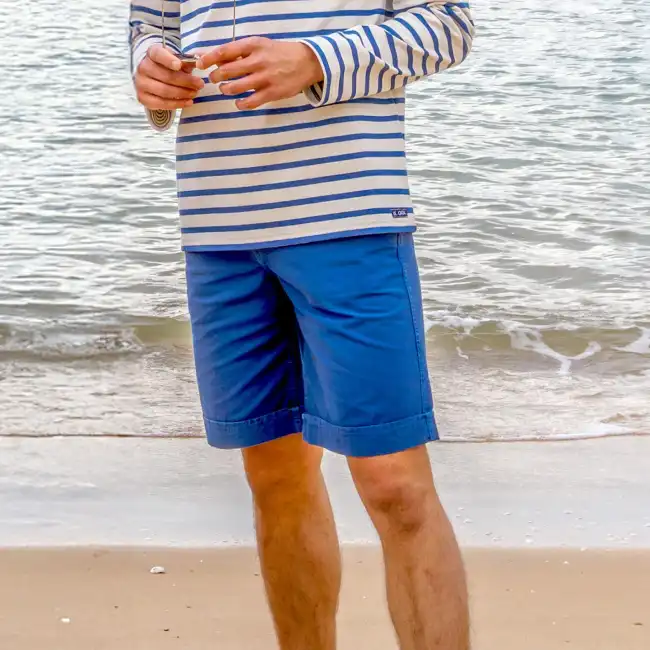
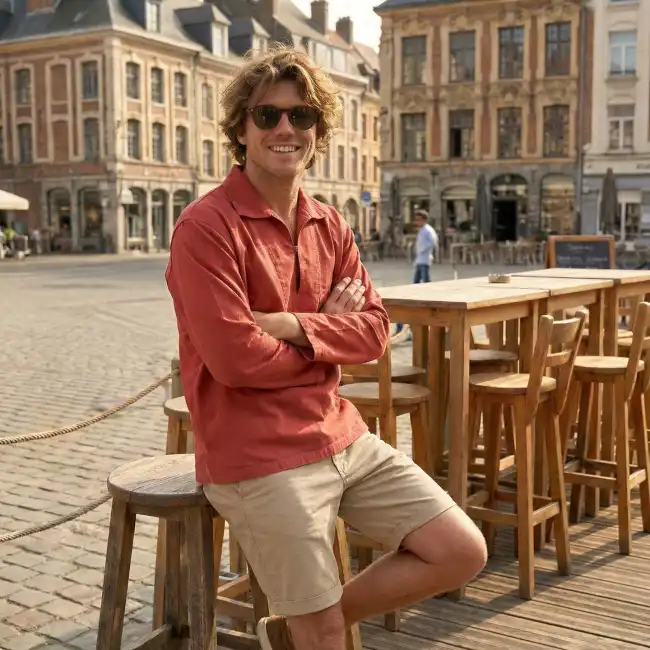
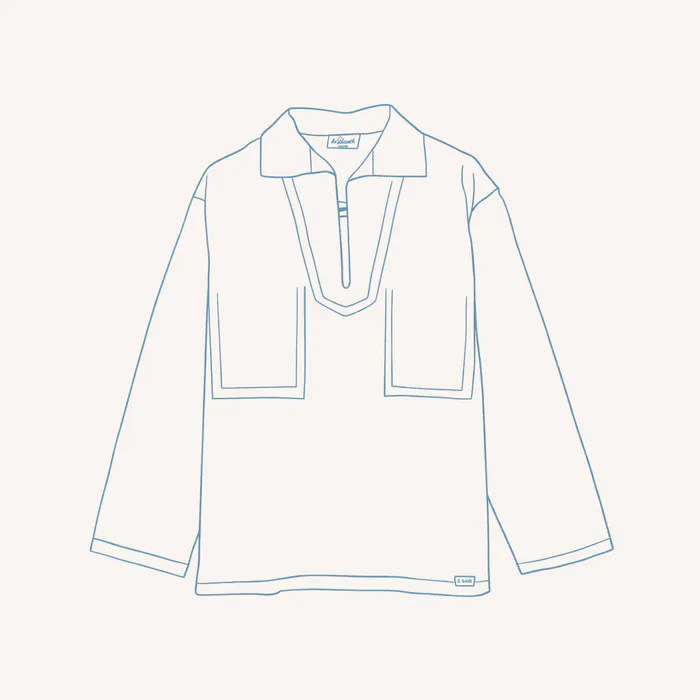
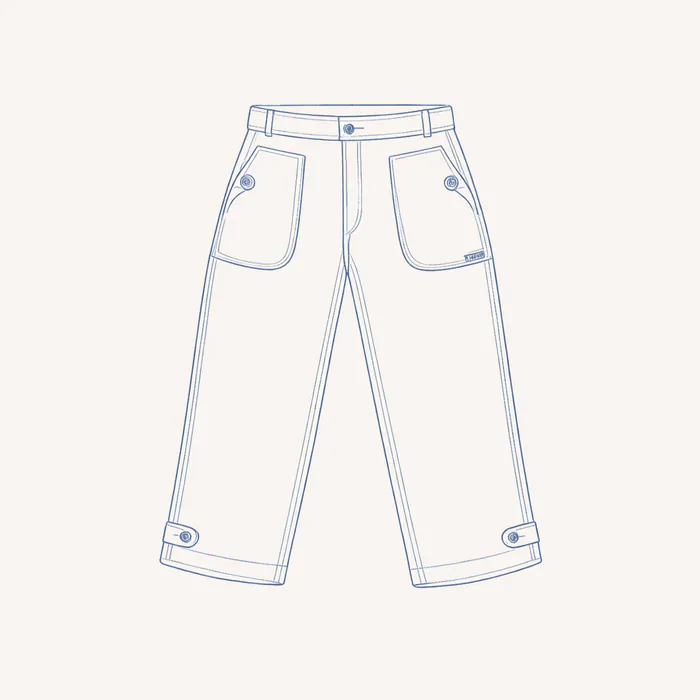
Rooted in traditional maritime workwear, cotton canvas has a central place in Le Glazik collections, particularly in the VAM sailor's smock and the Pornichet sailor trousers.
Le Glazik has its own cotton canvas manufactured to its requirements for quality, resistance to wear and lasting shape. Developed specifically for Le Glazik garments, these fabrics help preserve the distinctive characteristics and longevity of its historic designs.
That longevity can span generations: some customers tell us they have worn their smock for nearly twenty years, while others have inherited one from their parents or grandparents.
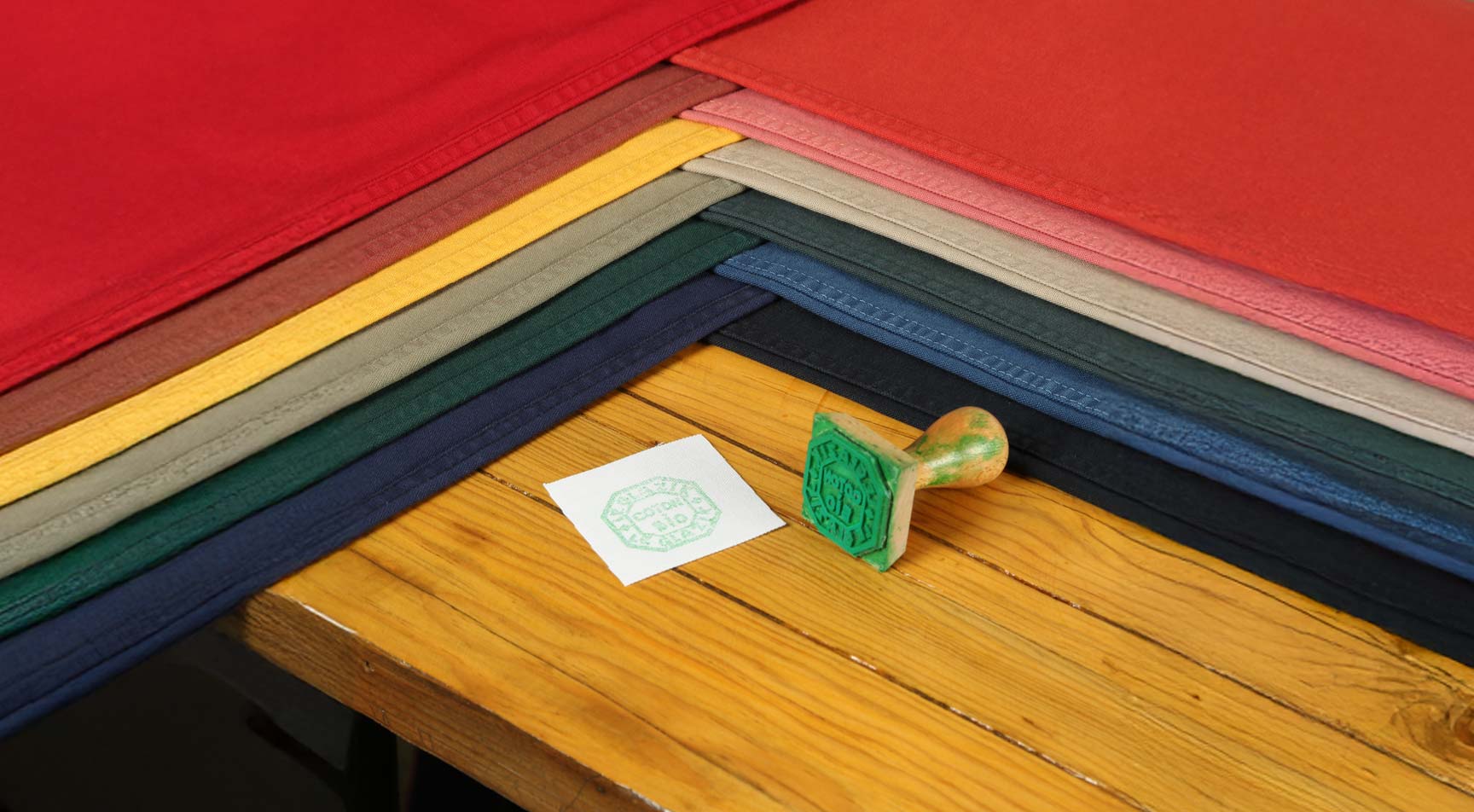 Le Glazik's historic canvas has been made from organic cotton for over 30 years.
Extra-Heavy Wool Cloth from the Pyrenees
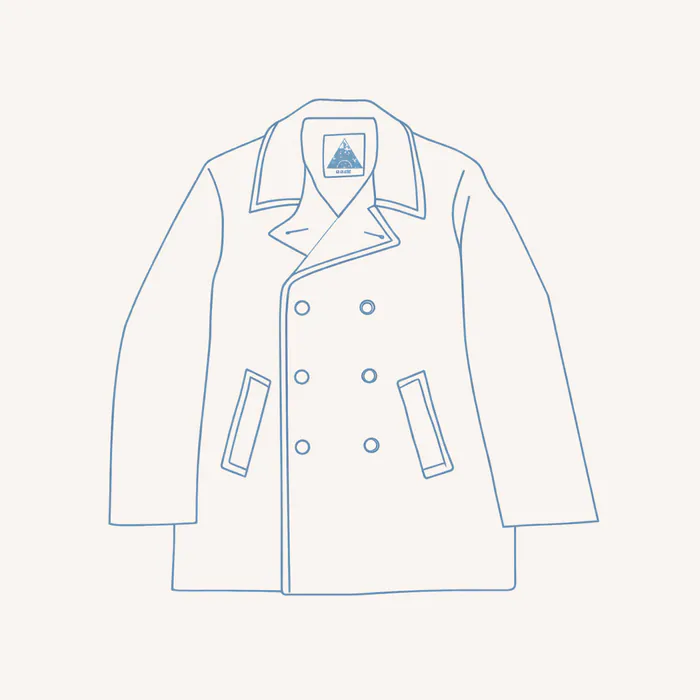
Since its foundation in 1928, Le Glazik has had its extra-heavy wool cloth from the Pyrenees made for the Molène pea coat, using this signature cloth throughout its history.
The heaviest on the market, this wool cloth stands out for its density, durability and insulating properties. The fulling process also gives it natural water resistance, although it is not completely waterproof.
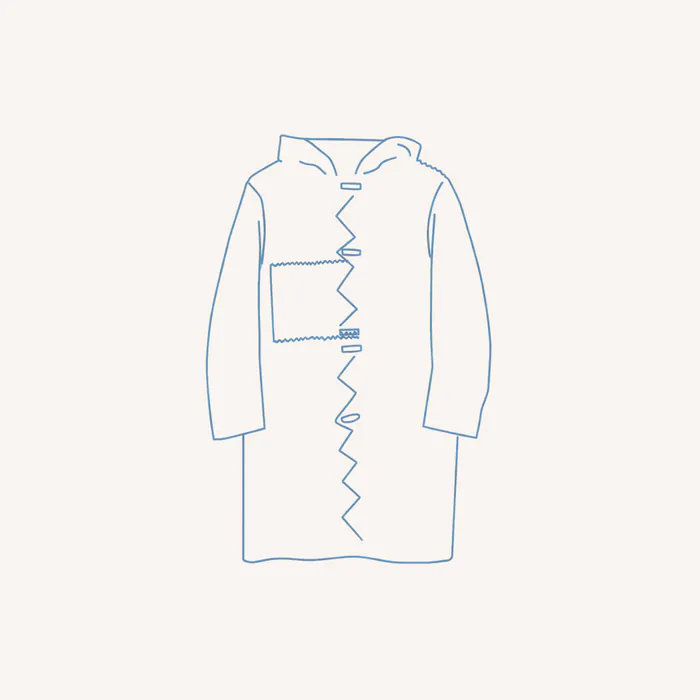
The Breton kabig is likewise made from thick wool cloth, suited to coastal conditions and faithful to the protective purpose of this traditional coat.
Linen: A Historic, Lightweight and Hard-Wearing Fibre
Long before cotton became widespread in clothing, linen played an important part in the making of European workwear. Valued for its strength, it belongs to the history of practical, hard-wearing textiles.
Today, linen remains prized for its durability, breathability and ability to absorb moisture, making it particularly well suited to summer clothing.
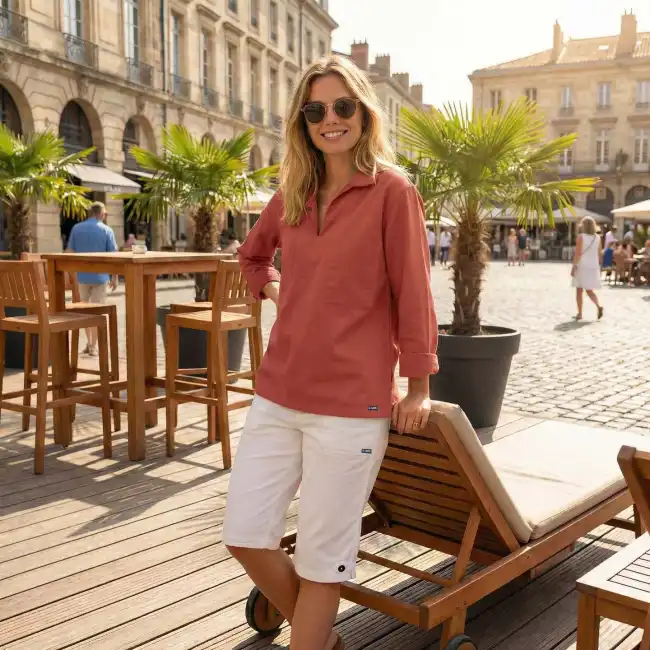
Le Glazik uses linen on its own or blended with cotton to make lightweight, comfortable garments, while maintaining the standards of quality and shape rooted in its craftsmanship.
Material Quality, Certifications and Traceability
Beyond the intrinsic quality of its fabrics, Le Glazik pays close attention to where its materials come from, how they are produced and the assurances provided by its suppliers.
OEKO-TEX STANDARD 100 certification confirms that a textile has been tested against defined limits for certain potentially harmful substances. The European REACH regulation governs chemical substances; it is not a textile certification.
These safeguards complement our commitment to quality, without replacing careful fabric development or the garment-making expertise of our workshop.
Clothing Made to Last, French Craftsmanship
Since 1928, Le Glazik has nurtured a family tradition of craftsmanship approaching its centenary, preserved in its own garment-making workshop in France, where its emblematic maritime designs come to life.
From the choice of raw materials to the quality of construction, the same standards inherited from workwear have guided the manufacture from the beginning: making authentic garments designed to last and to be passed down from one generation to the next.
Inside the Le Glazik workshop: preparing the canvas before garment-making.