The authentic Breton peacoat made in France: origin and history
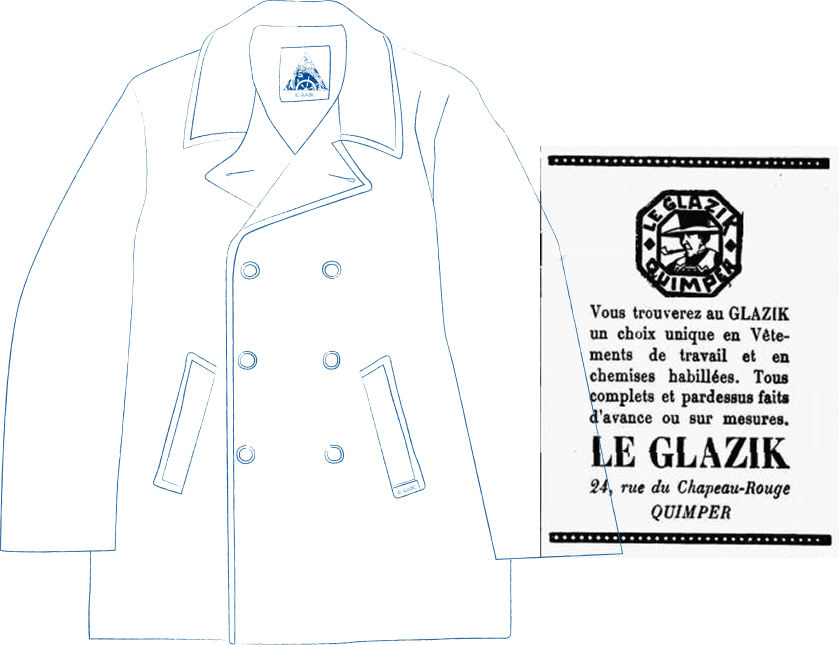
The Breton peacoat made in France is a historic maritime coat, designed in thick wool to protect against wind, cold and moisture.
A direct heir to the maritime wardrobe, it remains a landmark piece of Breton heritage.
Since 1928, the house of Le Glazik, founded in Quimper in Cornouaille, has been making maritime garments intended for seafaring professionals.
Over the decades, this Breton manufacture has become a historic reference for the Breton peacoat and continues today to preserve this sailor’s coat in keeping with its original construction.
What is a Breton peacoat?
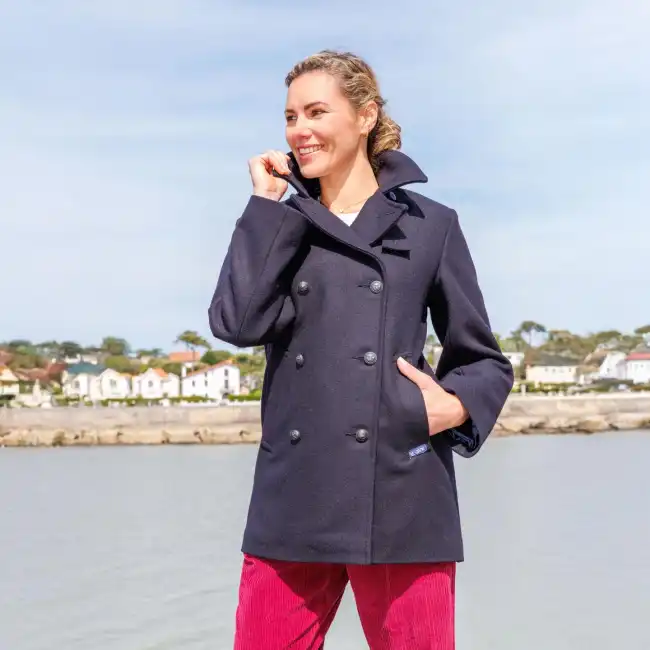
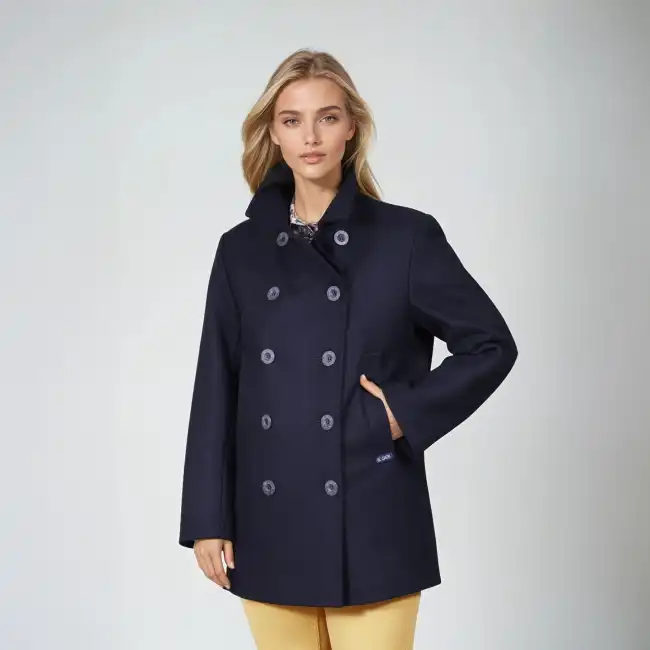
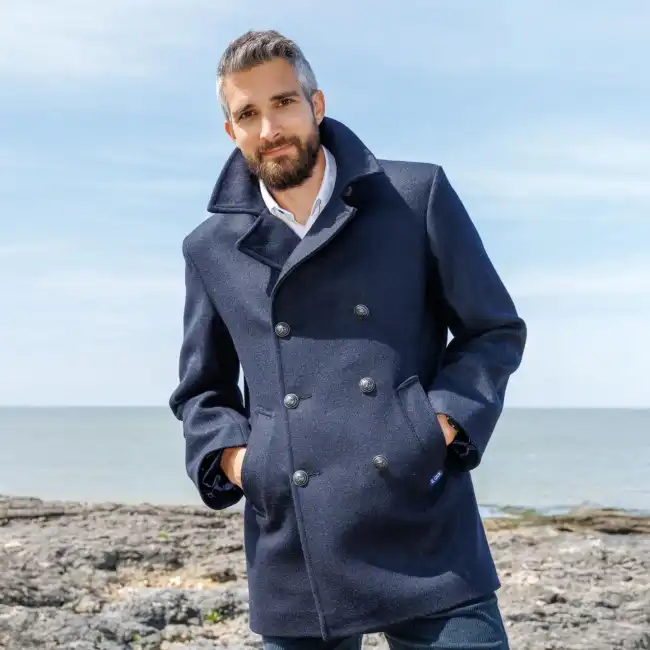
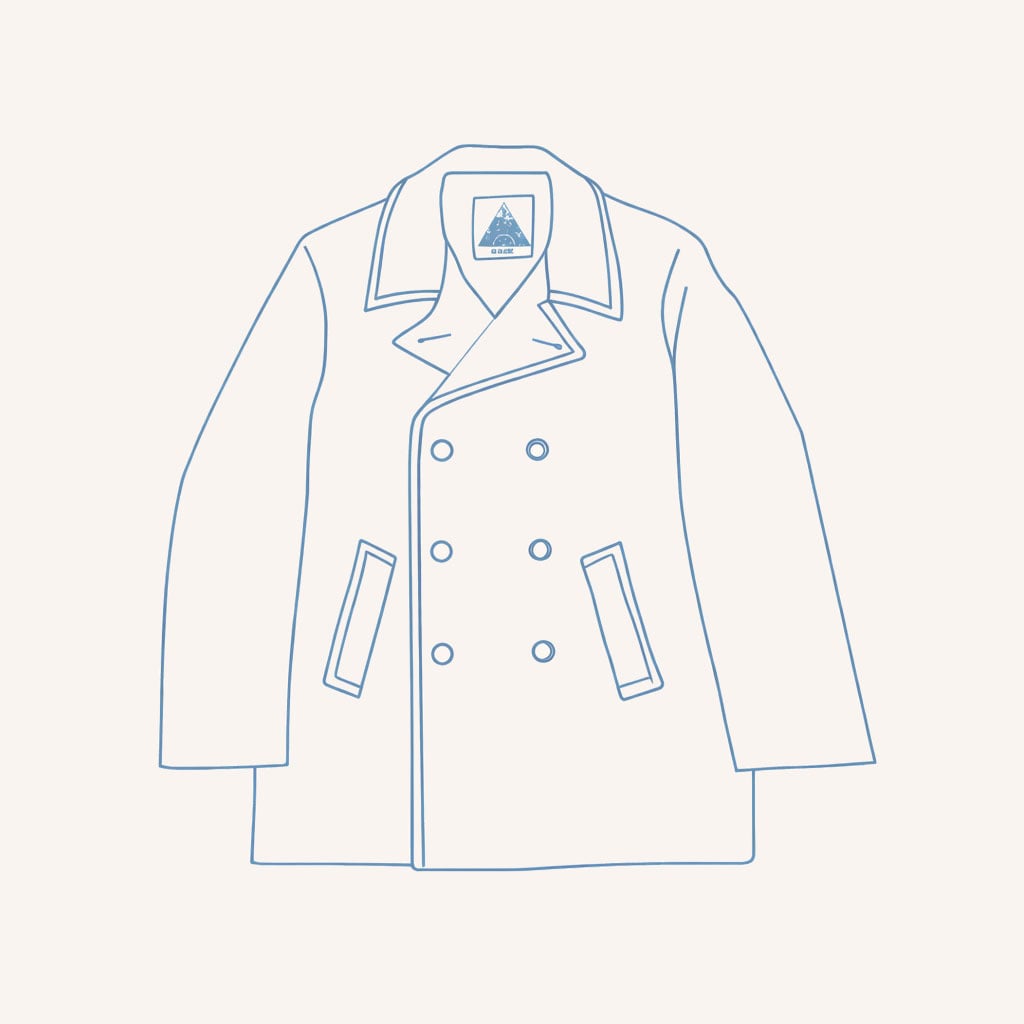
The Breton peacoat is a short wool sailor’s coat designed to protect against wind, damp and cold while allowing great freedom of movement. Its double-breasted cut, wide collar and heavy wool cloth make it one of the emblematic garments of the maritime wardrobe.
Originally, the peacoat was a functional garment intended for seafarers. Over time, it became a landmark piece of Breton and French clothing heritage.
What is the origin of the peacoat?
The distant origin of the peacoat is often linked to protective garments worn in Mediterranean maritime cultures, before evolving in Europe into a form suited to navigation.
Over the centuries, it established itself as a practical, warm and robust deck coat.
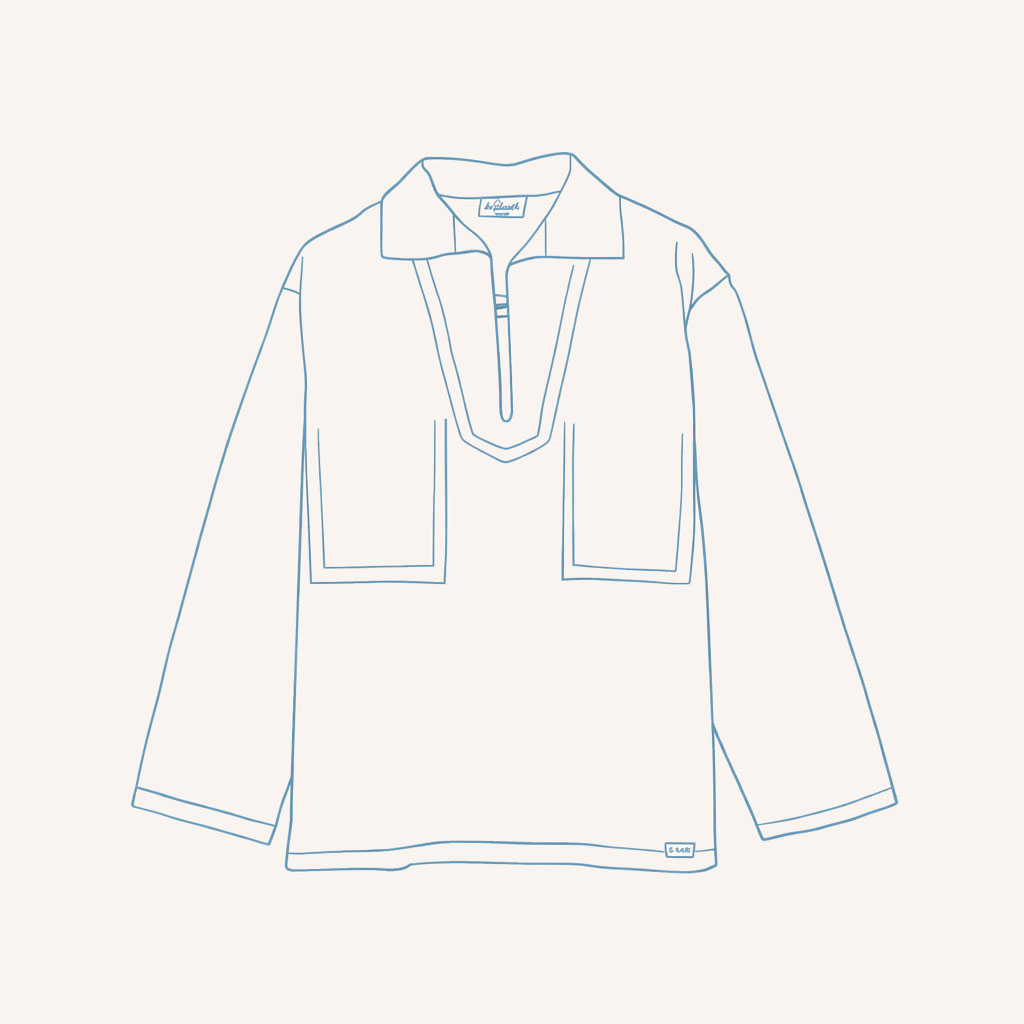
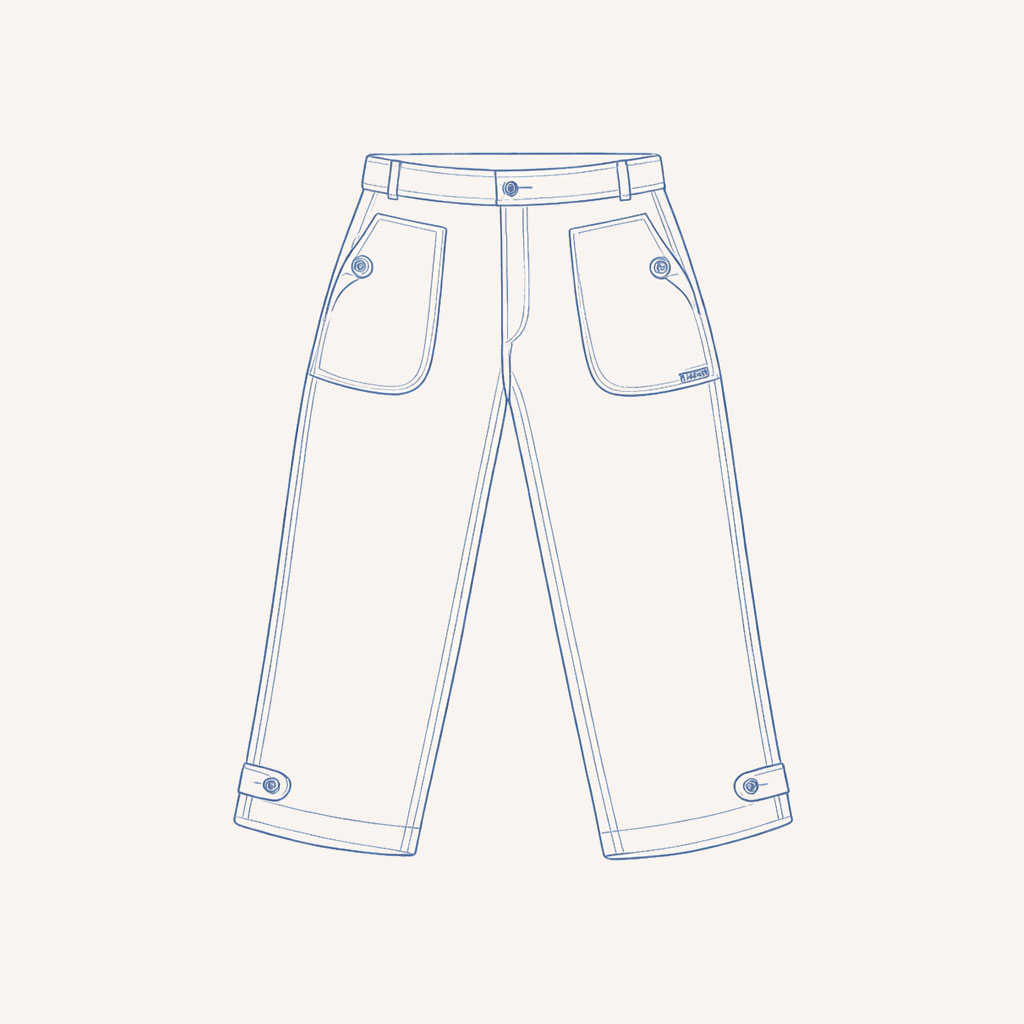
Sailors also wore the smock, the cotillon or sailor’s trousers, and of course the cap or the sou’wester.
Its development answered concrete needs:
- to withstand wind at sea;
- to protect against sea spray;
- to allow easy work on deck;
- to offer a double-breasted fastening according to wind direction.
Why is the peacoat linked to the navy?
The peacoat was adopted by many naval forces in the 19th century because of its technical qualities. Its dense wool protects effectively, while its double-breasted fastening and stand-up collar reinforce insulation.
In France, it established itself as an emblematic garment of the maritime world. Buttons marked with an anchor or naval emblem long made it possible to identify its link with the French Navy.
This lineage explains why the peacoat is still associated today with the image of the true sailor’s coat.
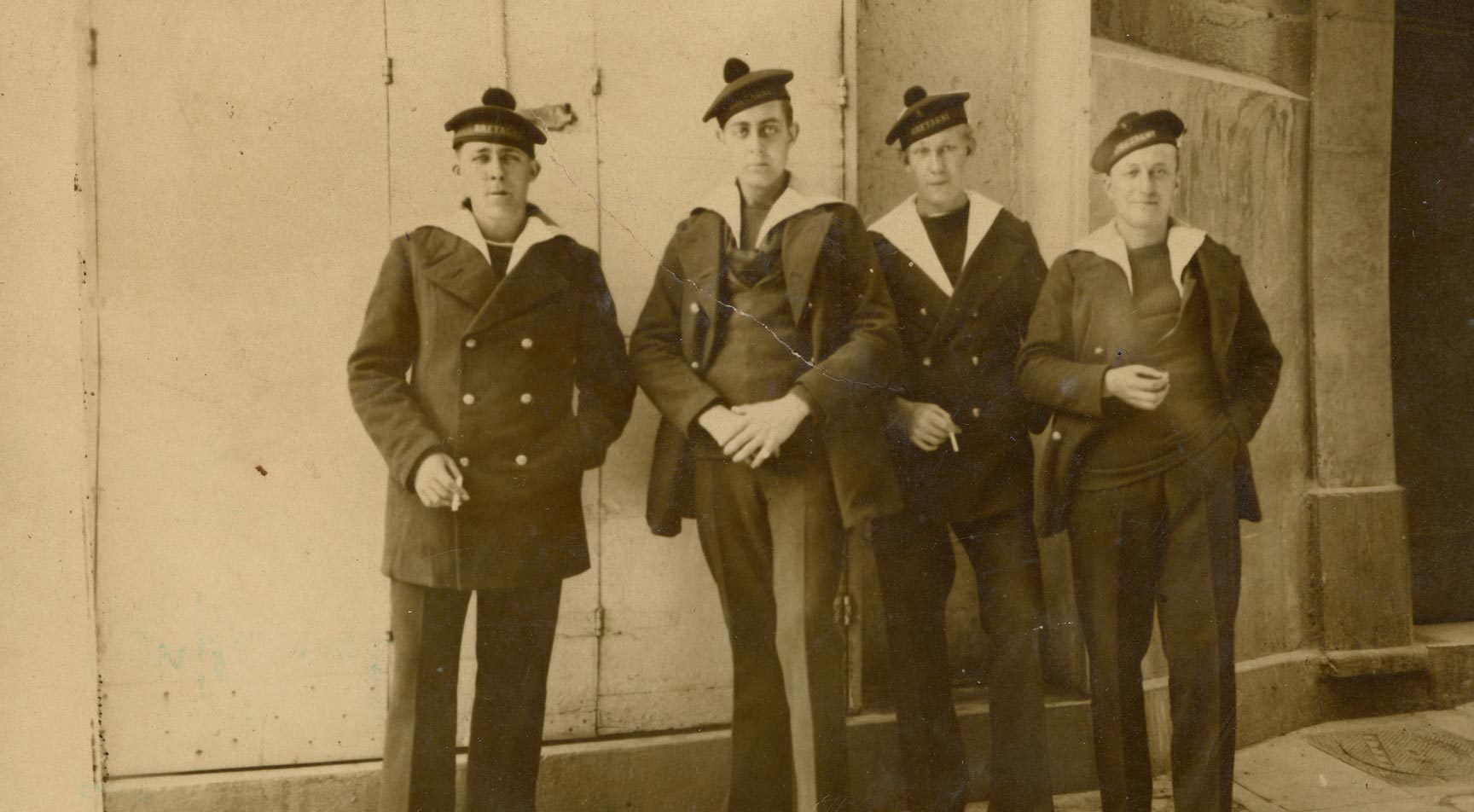 French Navy sailor aboard the battleship "Bretagne" wearing a Le Glazik peacoat.
Le Glazik: a Breton peacoat made in France since 1928
Founded in Quimper in 1928, Le Glazik continues to make authentic maritime garments. This Breton company still manufactures its Breton peacoat made in France in very thick wool, like the period models worn by sailors.
The Molène peacoat, the brand’s flagship model, is made to protect, look good and last a long time. Its timeless cut and quality wool make it a must for those who appreciate the true Breton peacoat.
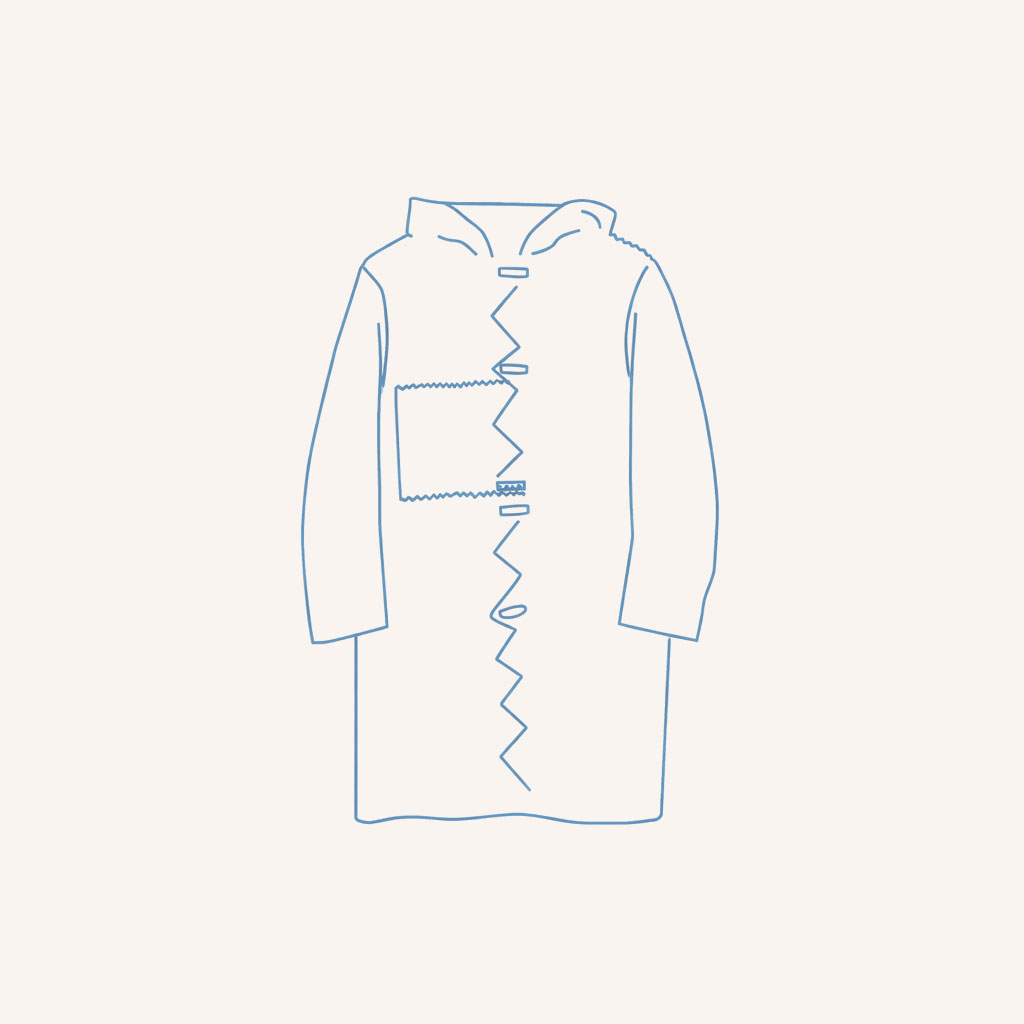
For almost 100 years, Le Glazik has been known for its expertise in manufacturing Breton maritime garments in France. The peacoat occupies a central place within the collection, alongside other historic pieces such as the smock, the kabig and sailor’s trousers.
Definition of the Breton peacoat made in France
The Le Glazik Breton peacoat retains the codes of the original garment:
- thick and durable wool;
- a construction designed to face harsh weather;
- a timeless cut suited both to the seaside and the city.
In the past, some wool fabrics could be treated with oil or tar to reinforce water resistance. Today, protection mainly comes from the density and fulling of the cloth, which make it water-repellent, windproof and durable over time.
The characteristics of the Breton wool peacoat
-
Material
The Breton peacoat is made from thick wool cloth. This material helps cut the wind, retain warmth and better resist moisture. -
Shape
Its straight double-breasted cut is characteristic of the traditional sailor’s coat. It offers good protection while preserving ease of movement. -
Collar
The wide sailor collar protects the neck and nape. It can be raised when the wind rises for extra protection. -
Fastening
The double-breasted fastening is one of the distinctive features of the peacoat. It allows the overlap to be adjusted according to weather conditions. -
Pockets
The peacoat generally features two large practical outer pockets, often complemented by inner pockets. -
Length
Its length, often mid-thigh, offers a good balance between protection from the cold and freedom of movement. -
Color
The traditional color of the Breton peacoat is navy blue. Black also exists, but remains more secondary in the classic maritime imagination.
What is the true Breton peacoat made in France?
The true Breton peacoat made in France is recognized first by its faithfulness to the original sailor’s garment: a short, double-breasted cut in thick wool, made with durability in mind rather than passing fashion.
Historically, Cornouaille, in southern Brittany, has been a major territory for the manufacture of maritime clothing. In this tradition, an authentic peacoat is distinguished by:
- its genuine maritime roots;
- specialized manufacturing;
- technical details inherited from professional use;
- durable construction.
The Molène peacoat by Le Glazik belongs to this tradition: a French-made Breton peacoat, designed to last and remain faithful to the spirit of the sailor’s coat.
Why choose a Breton peacoat made in France?
Choosing a Breton peacoat made in France means choosing:
- a garment born from genuine maritime heritage;
- a piece designed to last through many seasons;
- a manufacture more faithful to historical codes;
- a timeless style far from short-lived trends.
The peacoat appeals as much for its function as for its style. It can be worn by the sea, every day or in the city, while preserving its identity as an authentic maritime garment.
How do you care for a wool peacoat?
A wool peacoat should be cared for carefully in order to preserve its shape and protective qualities.
Best practices:
- prefer dry cleaning by a professional;
- air the coat regularly after wear;
- let it dry thoroughly after exposure to moisture;
- hang it on a wide hanger;
- protect it from moths during storage periods.
Proper care helps preserve the shape, material and elegance of the peacoat for a long time.
For nearly a century, the house of Le Glazik has continued the making of Breton maritime garments and remains one of the historic references for the Breton peacoat made in France.