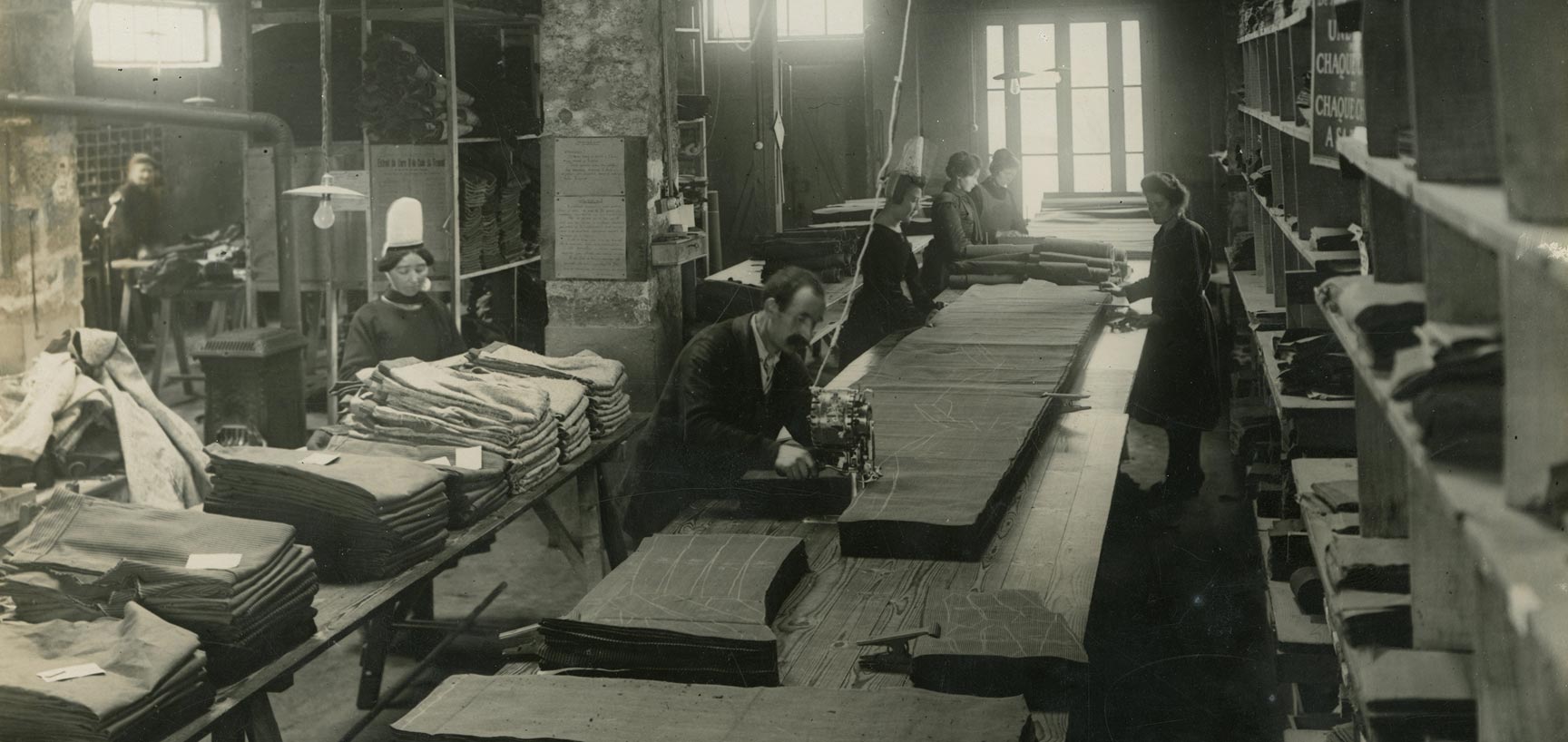
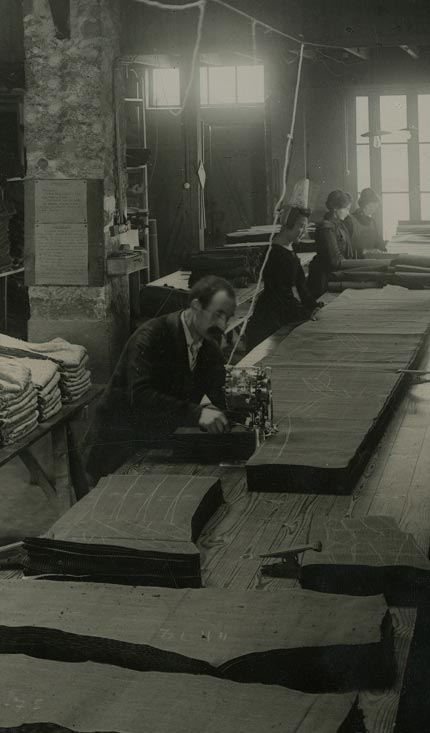
Le Glazik workshop in the 1930s with seamstresses in Quimper Le Glazik workshop in the 1930s with seamstresses in Quimper

Le Glazik, Breton manufacture founded in 1928

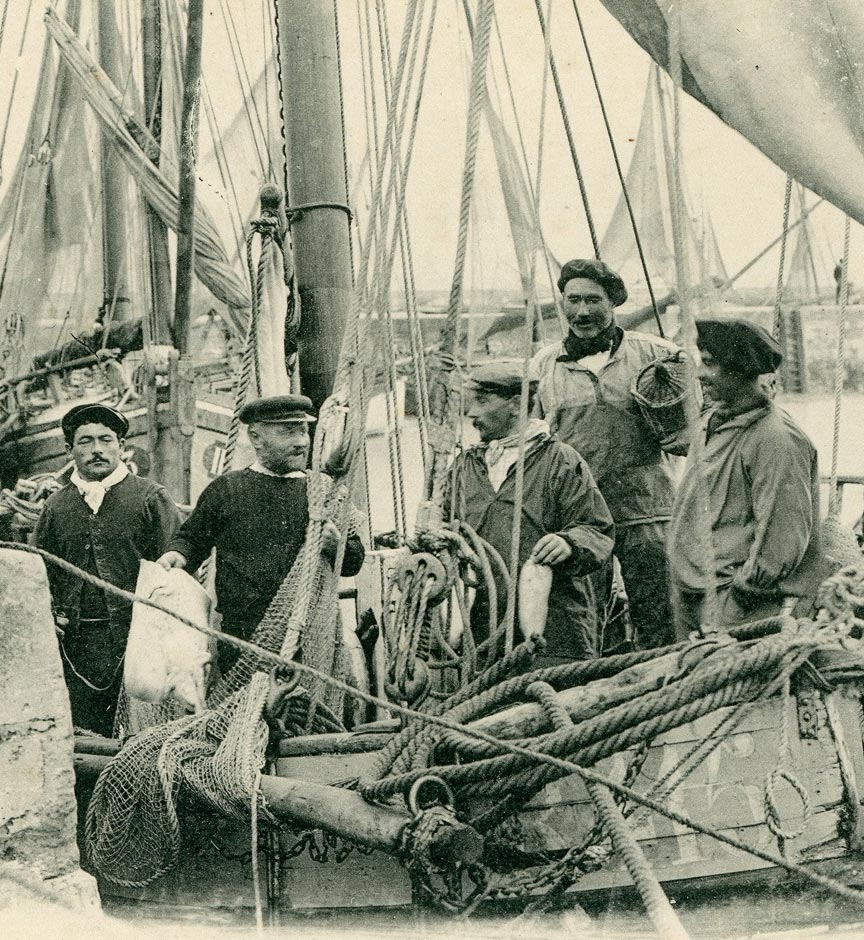
Archive photo of Breton fishermen wearing Le Glazik smocks on a fishing boat

The origins (1928)

Le Glazik was founded in 1928 in Quimper, driven by Pierre Guichard, a textile representative, and Mr. Le Pape, a tailor: two army friends who met during their military service.
Their objective: to professionalize the manufacture of maritime garments, which until then had been produced only artisanally by fishermen’s families.
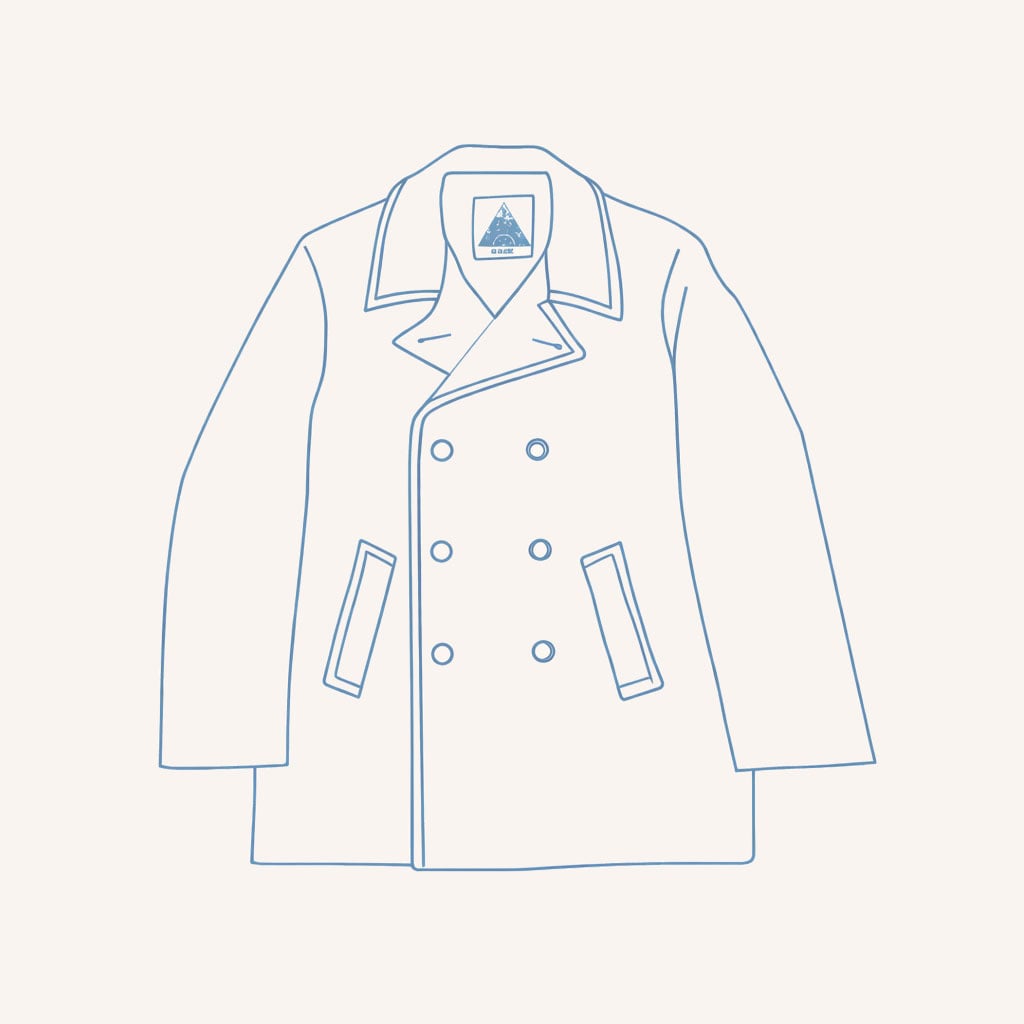
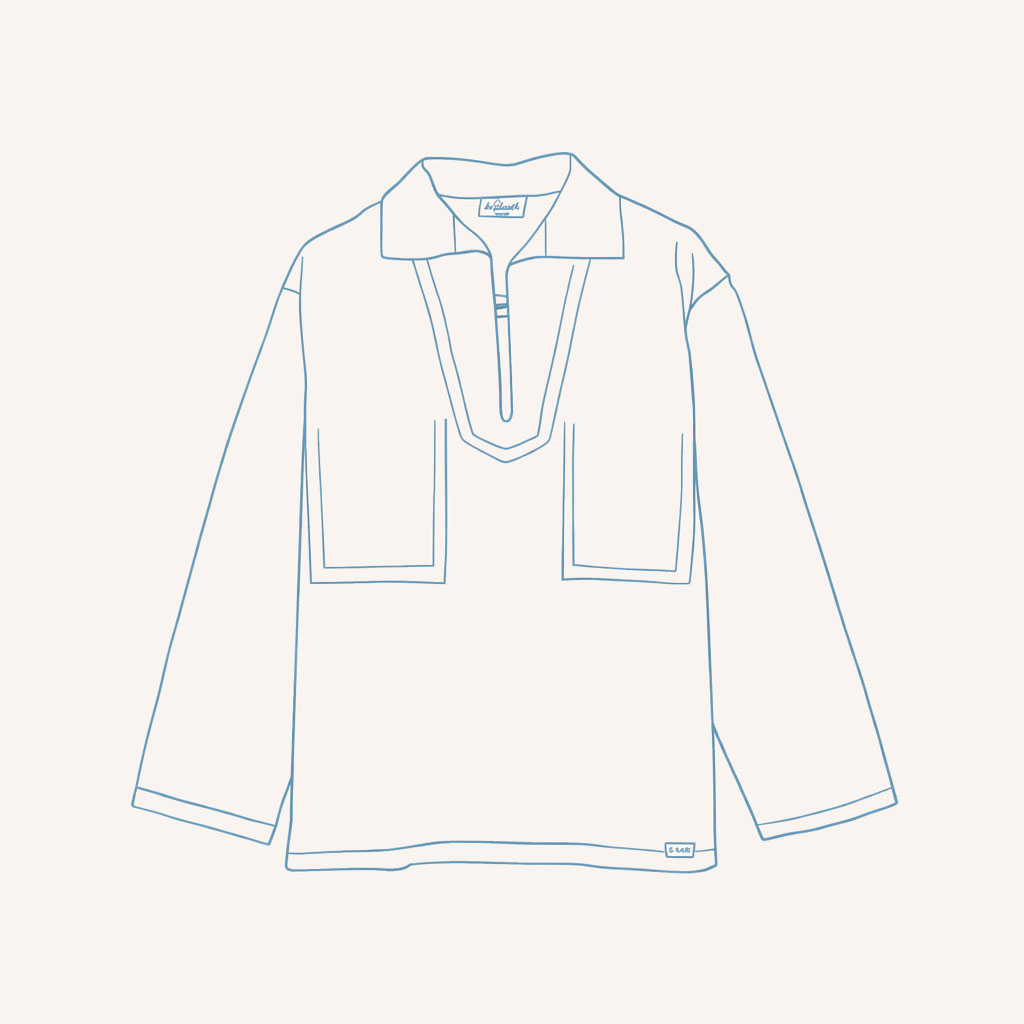
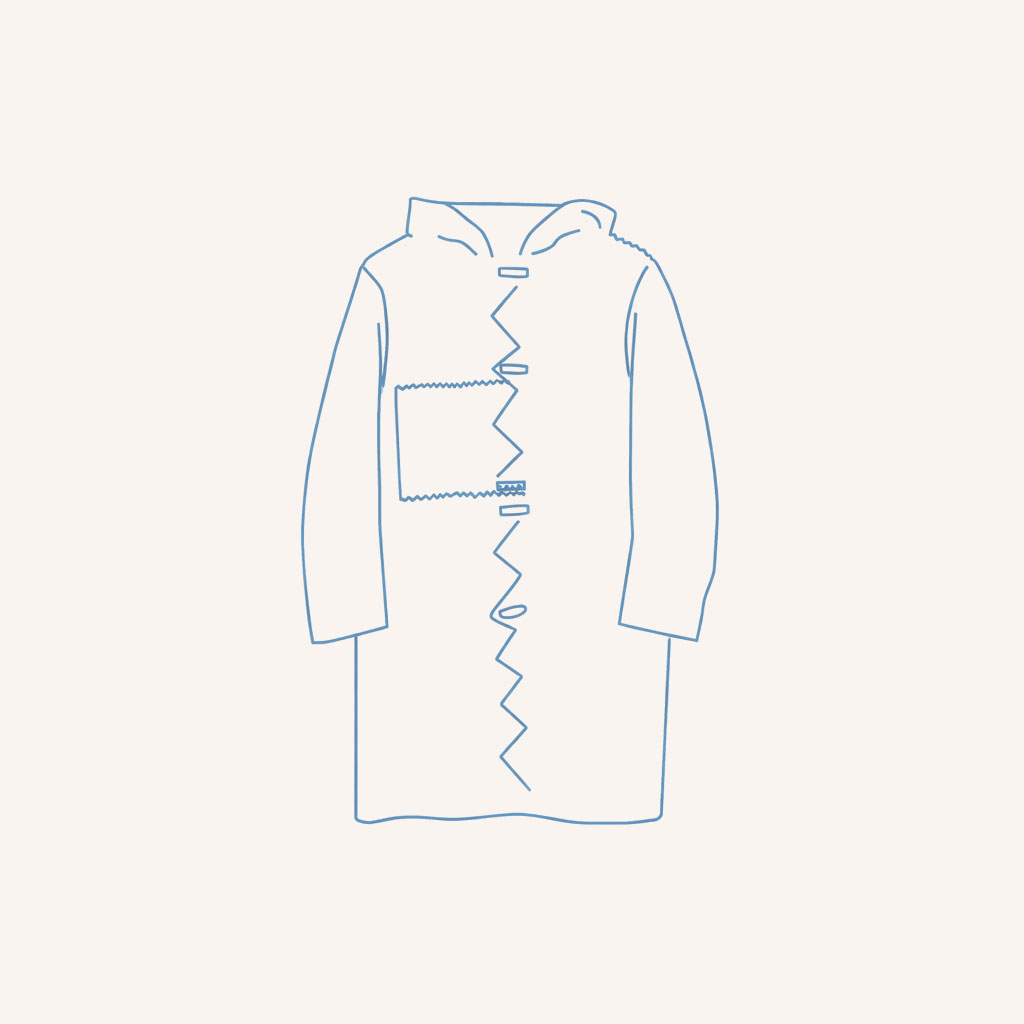
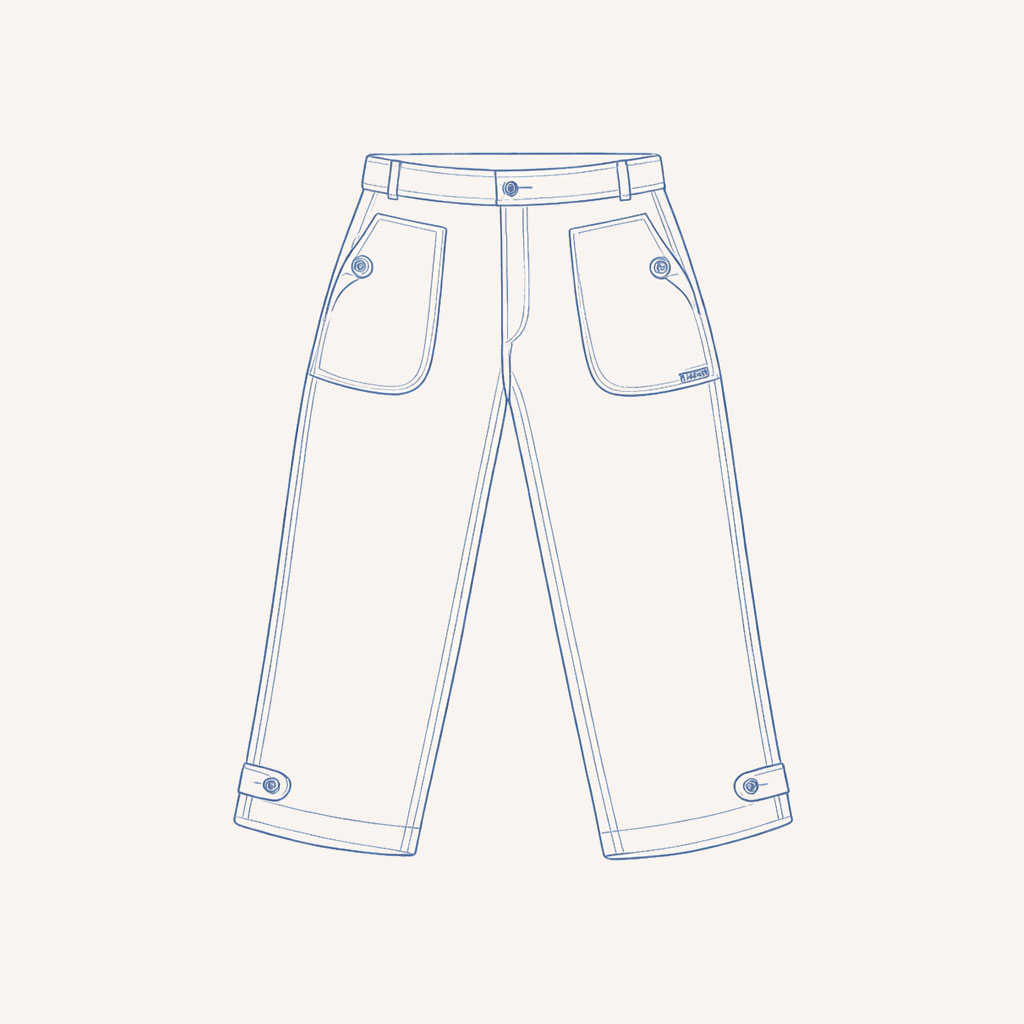
In the region, fishing ports were very active and demand was strong for robust garments such as the smock, the pea coat, the kabig wool coat or canvas trousers. From the very beginning, the brand embraced durability and craftsmanship.

The first Pontigou workshop

The manufacture settled at 10 rue du Pontigou, where seamstresses produced the first foundational garments. The Guichard Establishments gradually took shape, and in 1933, after Mr. Le Pape’s departure, Mrs. Guichard took over the administrative direction, soon joined by their daughters who helped after school, reinforcing the family dimension of the brand.

A visionary brand

Pierre Guichard quickly invested in modern communication. Direct sales at the workshop strengthened local loyalty, while the famous Le Glazik van served both as a delivery vehicle and traveling advertisement. The brand progressively established itself throughout the Glazik region.
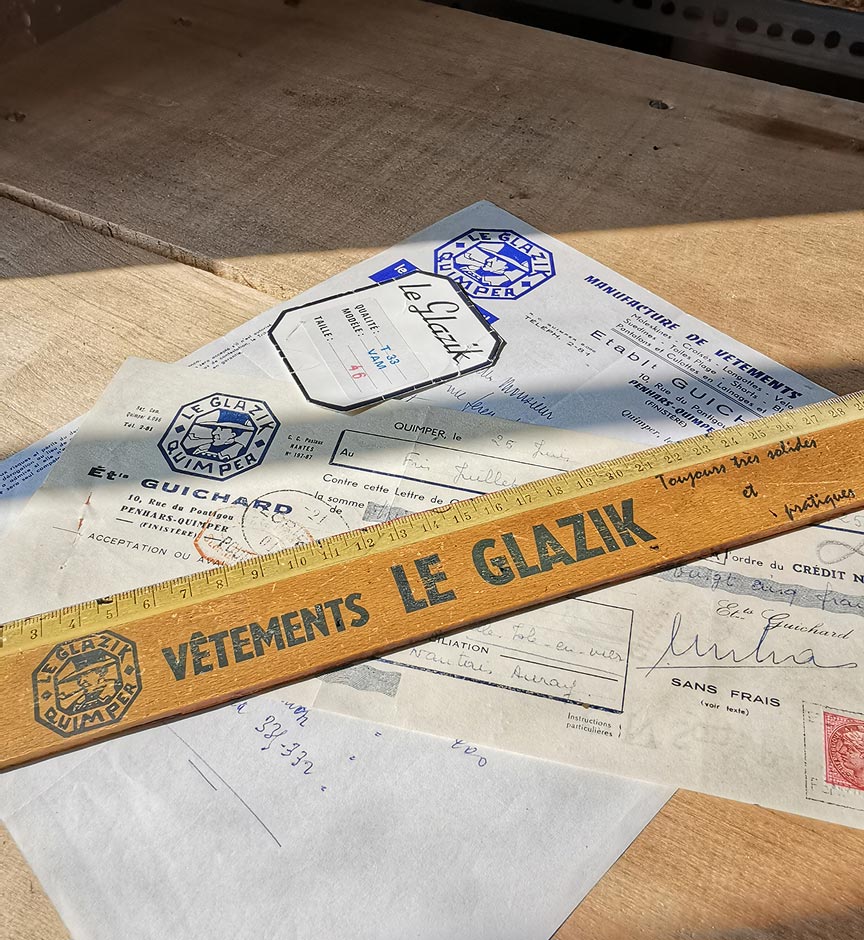
Historical archive document from Maison Le Glazik

A lasting maritime identity

More than a manufacturer of professional garments, Le Glazik became a reference for seafarers. The brand remains faithful to its traditional cuts, robust materials and Cornish roots. Nearly a century later, its founding values remain unchanged.

Bold communication from the 1930s

From its earliest years, Le Glazik adopted a modern and targeted communication strategy. Pierre Guichard distributed promotional objects in places frequented by sailors — carpets, playing cards, clothing brushes, signs and ceramics. This strategy helped establish the brand throughout Brittany, both along the coast and in homes, long before maritime clothing reached vacationers and the wider public.

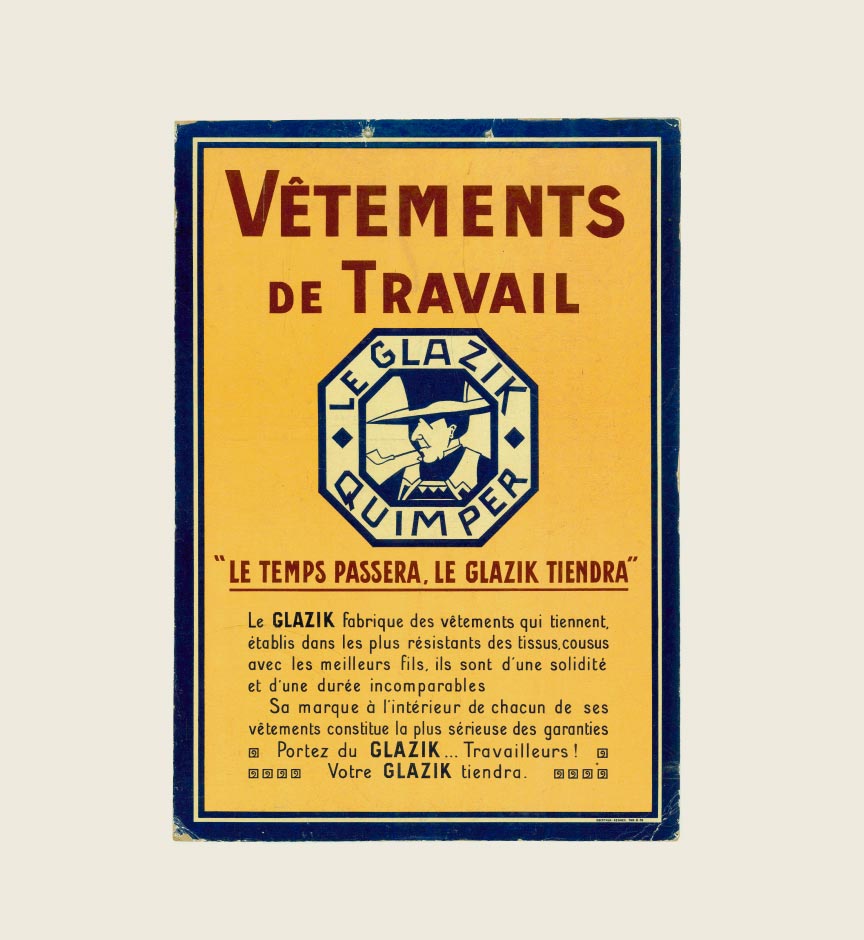
Le Glazik advertising poster from the 1950s The weather will pass, Le Glazik will endure!

AS TIME GOES BY, YOUR GLAZIK WILL LAST

A slogan that became a symbol

The historic slogan “As time goes by, your Glazik will last” quickly became an emblem of the house. It expresses durability, robustness and the spirit of transmission embodied by the brand’s garments. This motto has crossed generations and inspired both customers and public figures, confirming the brand’s place in Breton culture and in a lasting vision of fashion.

Archives & visual heritage

As early as 1946, films and photographs documented the life of the manufacture, from the workshops of the 1930s to the delivery van. These rare archives bear witness to the artisanal know-how and family history of the company. Today they represent a valuable heritage, reflecting the maritime and textile identity of Le Glazik.

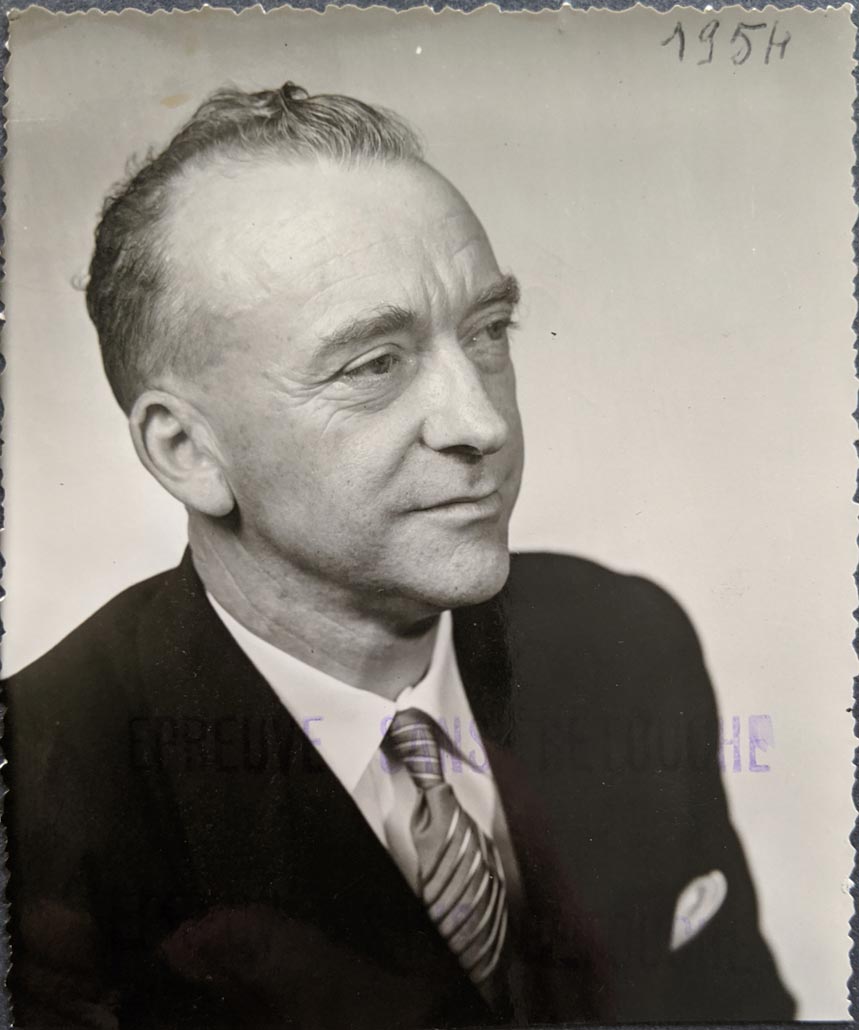
Pierre Guichard founder of Le Glazik in 1954 Picture of Pierre Guichard, the founder, in 1954
Maritime clothing becomes fashionable from the 1950s

When Pierre Guichard passed away in 1966, the house lost its founder, known for his professionalism and natural elegance. A Quimper competitor even said of him that he was “the opposite of his followers,” a tribute to his integrity and vision.

Leadership was taken over by Madame Eugénie Guichard, accompanied by their daughter Paulette. This transition took place at a time when maritime clothing, previously intended for professionals, gradually became leisurewear, worn in the city as well as by the sea and popularized by celebrities. Pierre Guichard had anticipated this evolution and initiated this shift while maintaining the technical standards expected by seafarers.

From workwear to fashion item

From the 1950s and especially during the 1960s, wool garments — pea coats, smocks, kabigs — gained a central place, while smocks were produced in a wider range of colors and more fashionable fabrics. Le Glazik remained faithful to its maritime roots while opening itself to a more creative and urban aesthetic. The brand began presenting its collections at professional trade fairs, expanding its influence beyond the coastline.

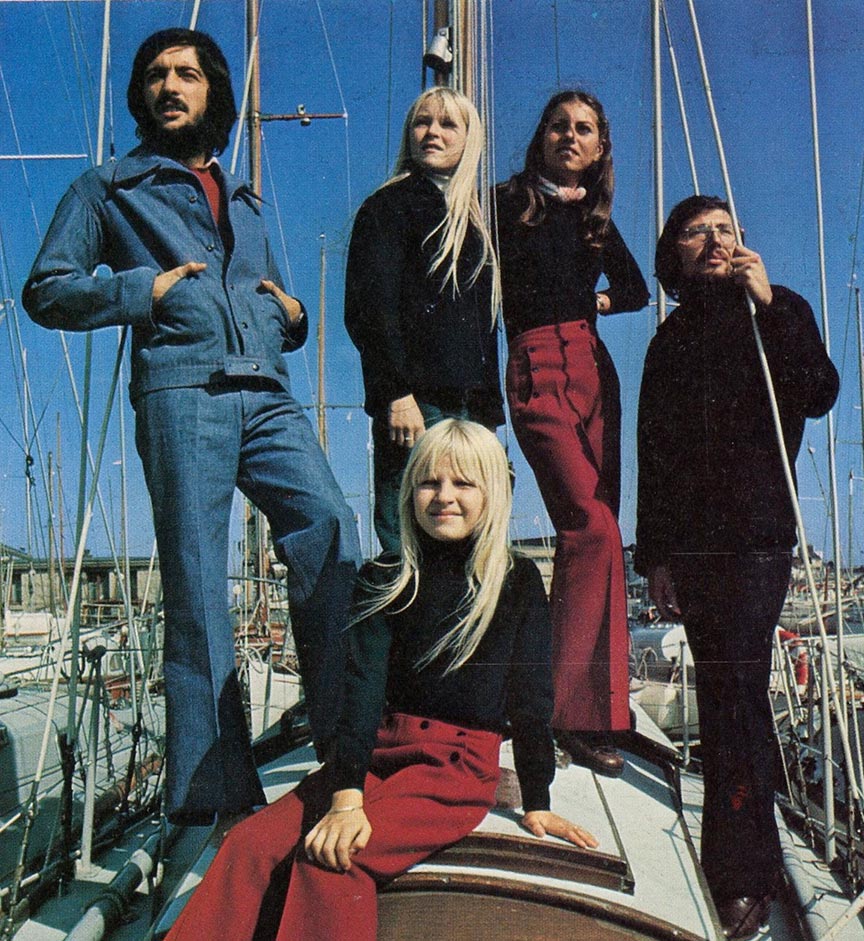
Models posing on a boat wearing Le Glazik outfits in the 1970s

The 1970s: maritime clothing becomes trendy

In the 1970s the brand expanded its range to appeal to a younger and more urban audience. Maritime clothing became fashionable, worn far beyond the coastline and adapted to new uses. Collections diversified with more expressive cuts and silhouettes, without compromising quality. In 1975, Paulette Guichard took over the direction. The brand achieved national and international recognition and celebrated its 50th anniversary in 1978 with the historic employees of the manufacture.

At the end of the 1970s and the beginning of the 1980s, maritime clothing temporarily lost its appeal among the general public, which turned toward more seasonal fashion. The market, cyclical by nature, became more fragile, while professional seafarers remained attached to authentic garments. In this difficult context, Paulette Guichard firmly defended the family vision: refusing any decline in quality, maintaining local manufacturing and rejecting offshoring, which had become common at the time. To preserve jobs and the workshop she even committed her personal resources, demonstrating a deep attachment to the house’s know-how and ethics.
Her sisters pursued other paths, one of them running the historic boutique on rue du Chapeau Rouge, which continued to represent the brand to the public as long as possible.
The family house encountered difficulties and needed to reinvent the way it worked and its distribution.

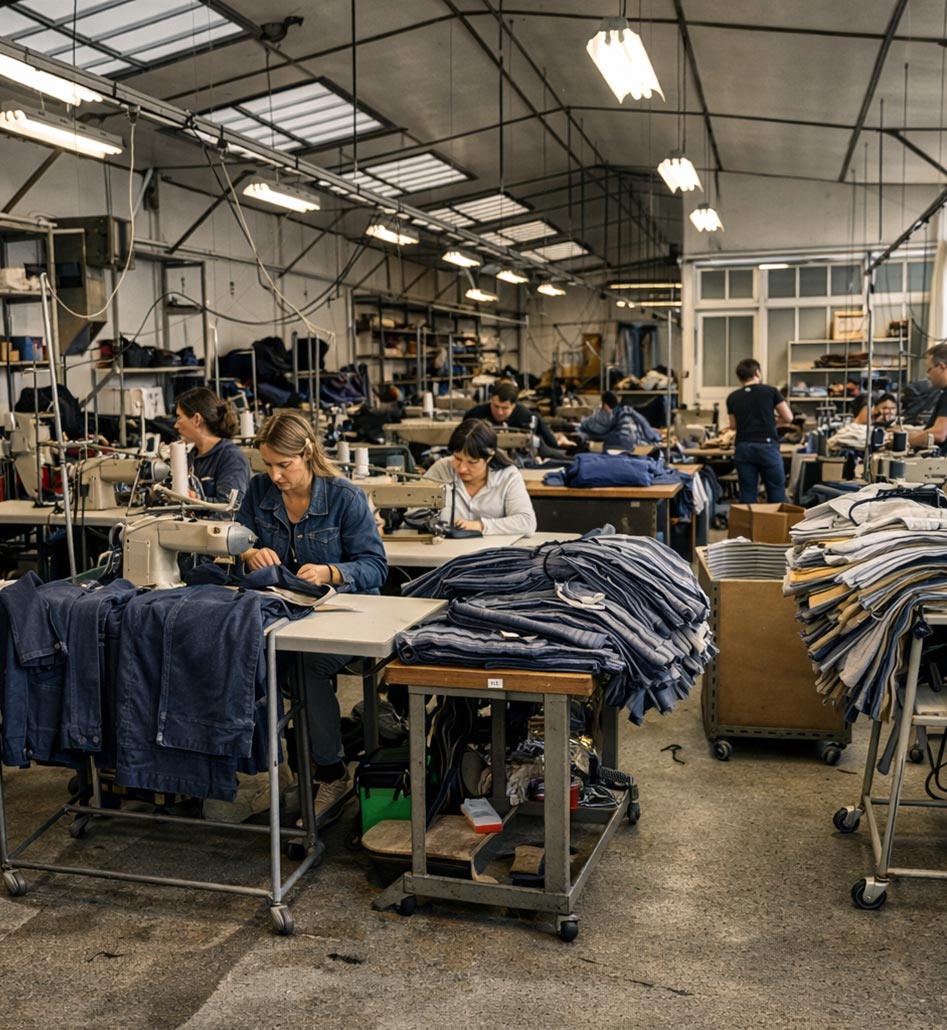
Le Glazik garment workshop in Quimper producing authentic maritime clothing

The contemporary era — Enduring through resilience

The 1990s — Renewal and affirmation

In the early 1990s maritime clothing returned to fashion. This renewed interest allowed the house, still faithful to its DNA, to develop new garments while preserving its traditional models within a renewed family dynamic.
A pioneer in highlighting its historic garments, Le Glazik later inspired other brands that tried to appropriate its aesthetic or history, yet the soul of a historic manufacture cannot be stolen — the authentic Breton smock remains and will remain the one produced by the house.

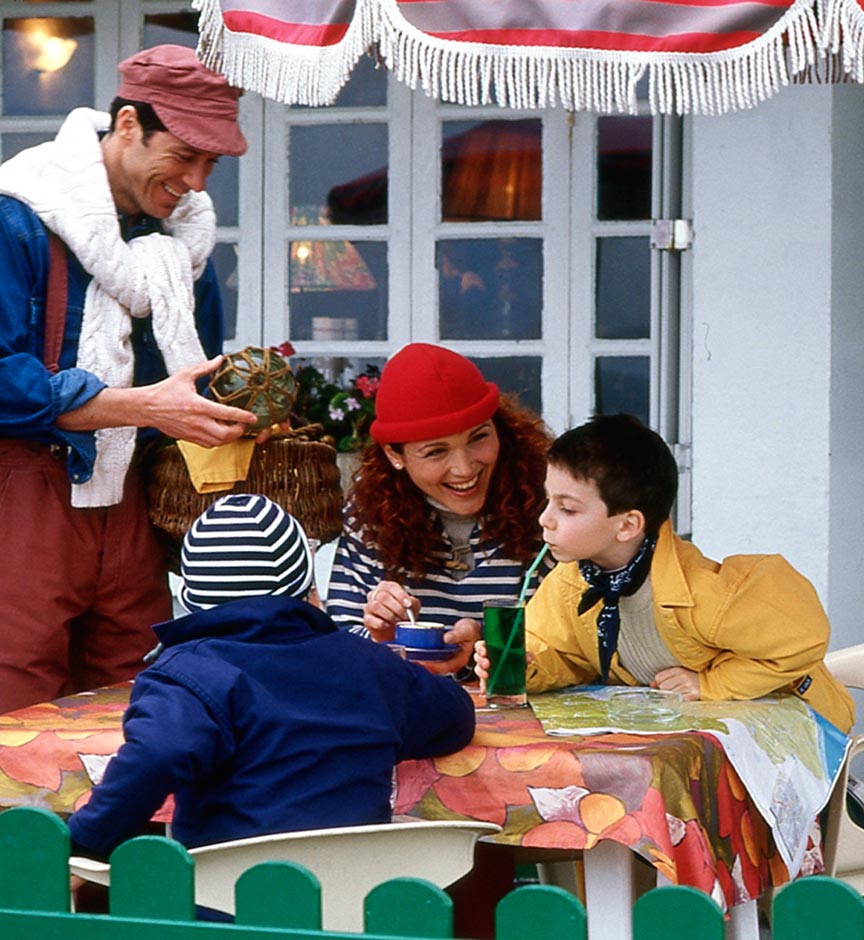
Le Glazik collection from the 1990s for men, women and children

The 1990s–2000s: the beginning of international recognition

The brand also conquered new markets, particularly Japan, attracted by its craftsmanship, demanding manufacturing standards, quality materials and authenticity of its models.
Even when the French textile industry declined in the 2000s, Le Glazik maintained local and sustainable manufacturing.
When Made in France returned as a trend from 2010 onwards, the brand simply observed the market returning to the founding values it had never abandoned.
Remaining attached to a human scale, the manufacture favors selective distribution, mainly along the coast and in places connected to maritime culture.

A brand for connoisseurs, Le Glazik remains discreetly recognized as a sign of belonging among seafarers — a subtle distinction between those who wear the true smock and those who only wear an interpretation of it.

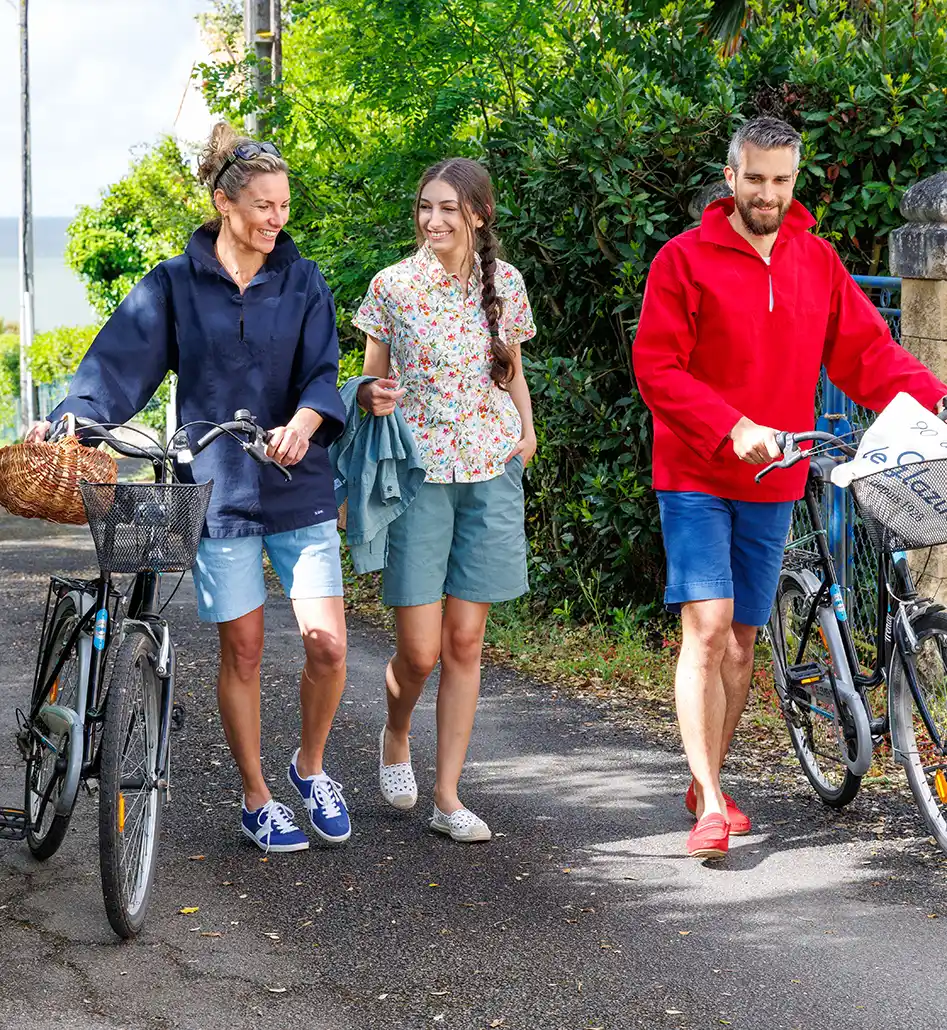
Photo of the new collection from the brand Le Glazik

Today the Le Glazik manufacture continues this uncompromising path

The family house protects a unique know-how, faithful to its origins and deeply rooted in Breton heritage.
The house produces garments designed to last, reflecting the authenticity of its industrial heritage. Each piece — whether its smocks, iconic pea coats or other maritime garments — is the result of meticulous work respecting the brand’s materials and traditions.

Approaching its 100th anniversary, Le Glazik reaffirms its historical commitment: to defend exceptional craftsmanship, remain an authentic manufacture and pass on its heritage to future generations while combining quality, functionality and timeless elegance.

The Authentics – History:

Designed and made in our workshops since 1928